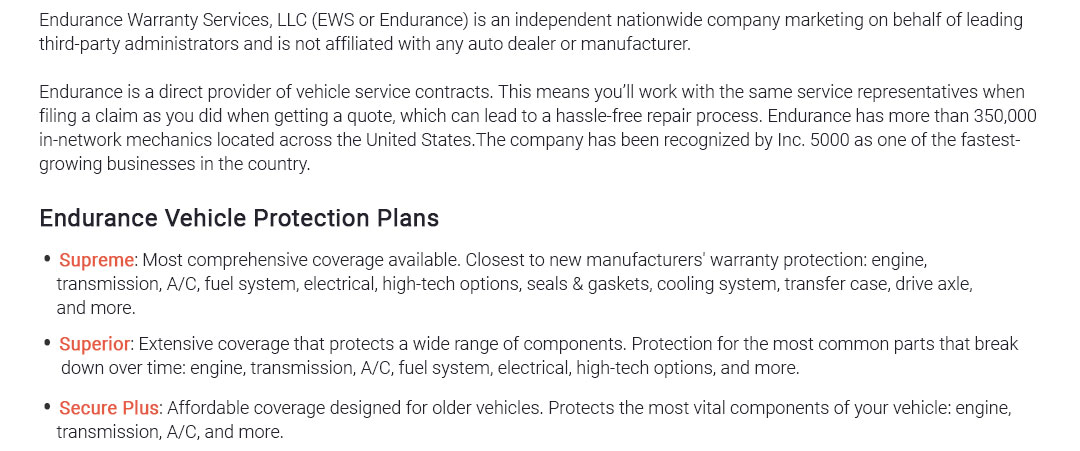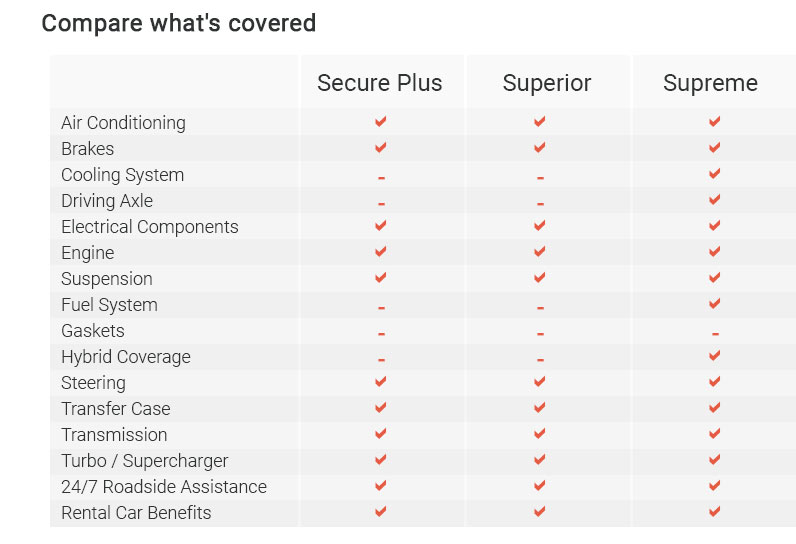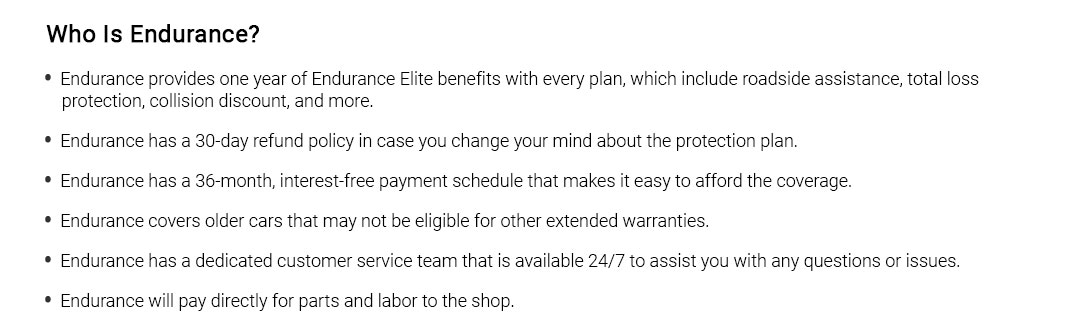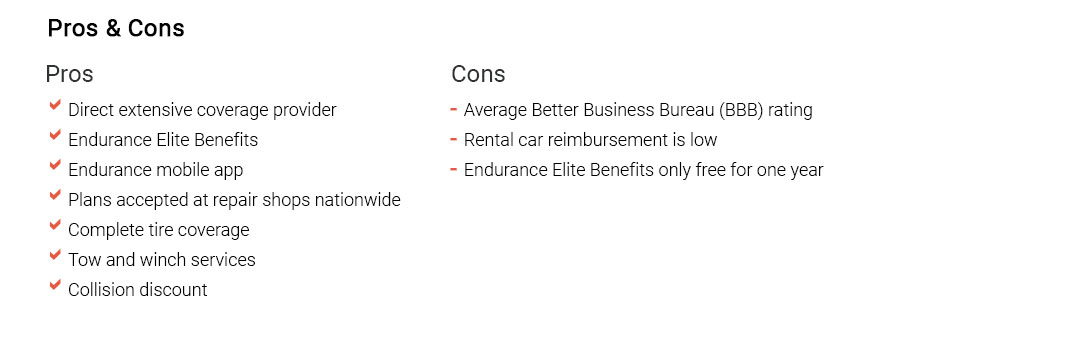




I look for coverage that actually pays when parts fail, not just big promises. The best plans are clear, fair, and easy to use under stress. Price matters, but predictability matters more.
Coverage types, translated
Bumper-to-bumper (exclusionary): Everything is covered except items listed as excluded. Easiest to understand if the exclusion list is short and plain.
Powertrain: Engine, transmission, and drive components. Cheaper, narrower, fine for high-mileage commuters.
Component/Named systems: A menu of covered parts. Read line by line; one missing sensor can shift costs to you.
Emissions/Hybrid/EV modules: Batteries, inverters, thermal systems, and software updates may be separate riders.
What makes a program "best" for you
Clarity: Short, specific exclusions; no vague "seizure due to unknown cause."
Labor rates: Pays your shop's real rate, not a low cap.
Diagnostics: Covers testing time; otherwise you pay just to hear "needs a module."
Deductible logic: Per-visit beats per-repair order in multi-item fixes.
Transferable and refundable: Pro-rated cancellation without weird fees; easy transfer boosts resale.
Network and approvals: Fast phone/app approvals, parts availability, and OEM procedures allowed.
OEM vs third-party, fairly
OEM plans: Better parts access, OEM procedures, strong dealer network. Sometimes pricier; may require dealer service history.
Top third-party: Flexible shops, broader terms, sometimes better rental coverage. Quality varies; vet financial backing and claims timelines.
Real moment: last spring on a highway trip my ABS sensor died; my plan covered the part and labor, but not the initial diagnostic hour - saved only because I had noticed a clause letting the shop bundle diag into the repair line, so we asked and it went through.
Costs, deductibles, and how they play out
Watch for per-visit deductibles (good) versus per-component (costly). Some cap labor at a region average; city shops can exceed it. Rental and trip-interruption caps look generous until a three-day parts delay hits.
Small print that actually matters
Routine maintenance and wear items (pads, wipers, clutches).
Fluid contamination and overheating without a covered cause.
Lift kits, tunes, or non-OEM mods can void related claims.
Commercial, rideshare, and track use are often excluded or need a special rider.
Taxes, shop supplies, and hazmat fees - ask if covered.
Software calibrations after module replacement - covered or not?
How claims usually flow
You authorize inspection; shop diagnoses and calls the administrator.
Adjuster approves parts/labor lines; sometimes requests photos or teardown.
You pay deductible and any non-covered items; the plan pays the rest to the shop or reimburses you.
If you drive an EV or hybrid
High-voltage battery: State-of-health thresholds, module vs full-pack replacement, thermal events.
Thermal management: Pumps, valves, chillers - often the quiet budget killers.
Onboard charger/DC-DC: Coverage for board-level faults and software.
Roadside: Flatbed towing distance to qualified EV service, not just "nearest shop."
Transferability, cancellation, and resale
A transferable plan can add value at sale; just confirm the transfer fee and window. Pro-rated refunds should exclude only used time/miles, not invented "processing" deductions.
Quick comparison snapshot
OEM Platinum (newer cars, long keep): Strong parts access, clean process, higher price; worth it if you service at dealers.
Reputable third-party exclusionary (mixed shop preference): Good for independent shops, watch labor caps, verify diagnostics coverage.
Powertrain budget (older/high-mile): Low premium, protects against big engine/trans hits; plan to self-fund sensors and electronics.
Simple decision path
Estimate likely failures for your model/year (forums, TSBs, recall patterns).
Price those failures at your preferred shop's labor rate.
Compare to plan cost + deductible math across 3 - 5 years.
Read the exclusion list twice; call and ask two what-ifs ("water pump leak," "CAN bus fault"). Note how they answer.
Choose the plan that makes an unexpected Thursday breakdown boring instead of life-disrupting.
If you're still on the fence, get a sample contract first; the best providers share it without pressure so you can sleep on it.
Negotiation and timing
Buy near vehicle purchase or before factory coverage ends for best pricing and eligibility.
Request the exact term, surcharge list, and cancellation language in writing.
Ask for a per-visit deductible and diagnostic coverage; small tweaks matter.
Decline add-ons you won't use (key fob, glass) to keep the premium honest.
I keep a one-page checklist in the glovebox - coverage limits, claim phone, policy number - because the best car warranty programs make bad days manageable, and that's the quiet goal worth aiming toward.
https://www.youtube.com/watch?v=sD5h1zr_MSk
What Car Warranty Company Is Worth It. Buckley's Auto Care40K views ... (And Best). Shadetree Automotive97K views - 15:29 - Go to channel - 5 ...